
Choosing the right chicken feed can make a huge difference in the health, productivity, and overall happiness of your flock. There are many options available, ranging from regular chicken layer feeds, organic chicken feeds, chick starter feed to omega-3 enriched feeds. It’s not always easy to know how to choose the best chicken feed.
That’s why we created this expert-reviewed list of the 13 best chicken feeds, written with the help of a real chicken nutritionist to ensure every recommendation is grounded in proper poultry nutrition science. Every product featured in this guide has been carefully evaluated for protein content, calcium levels, ingredient quality, and overall value for backyard keepers.
Our Editor’s Choice, the Scratch and Peck Organic Chicken Layer Feed, ranks at the top. It’s organic, non-GMO, and packed with nutrients your chickens need to lay delicious, healthy eggs. If that doesn’t fit your and your chickens needs, for sure one of the other chicken feeds in this list will. Whether you’re raising chicks, managing a mixed flock, or optimizing egg production, there’s a feed here that fits your setup.
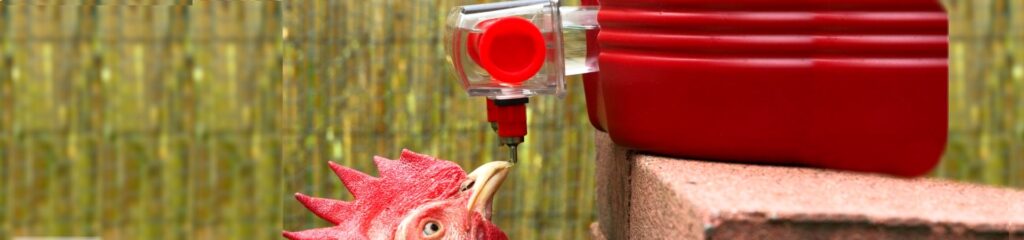
Also, don’t let high-quality feed go to waste in a poor-quality feeder. Make sure to put it in the best chicken feeder. Ideally, an automatic feeder that only opens when your chickens step on a pedal. This keeps the feed clean, safe, fresh, and prevents you from feeding the local rat population.
With the help of a real poultry expert and nutritionist, we’ve researched, tested, and compared a wide range of chicken feeds to help you find the best nutrition for your flock. We have tested and assessed different feeds in real backyard conditions, along with careful consideration of life stage suitability, from chicks to layers. The list includes organic, medicated, and non-medicated options in different textures, all evaluated for nutritional quality, balance, and support for healthy growth and egg production.
We’ve tabulated our research findings with an in depth review and overall rating for each product. If you’re still undecided, our buyer’s guide will assist you. We look closely at features you need to consider when searching for the best chicken feed. Our FAQ section gives advice on matters such as possible feeding problems you might encounter and how to overcome them, the best protein source & other products available. After reading this you’ll have all the information you need to purchase the best chicken feed!
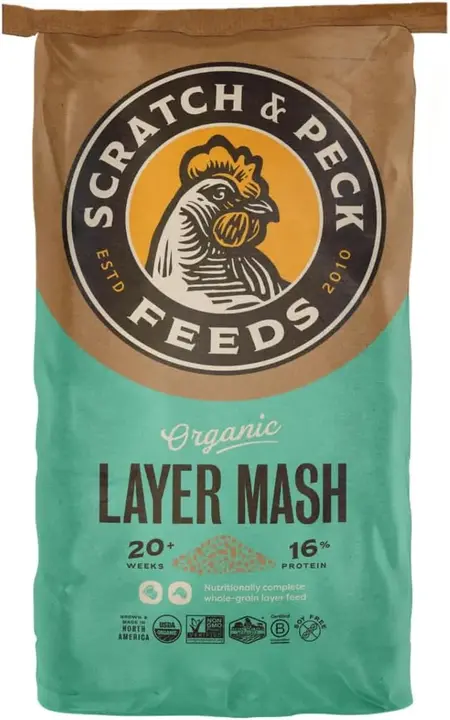
More features: organic and non-GMO certified, soy-free, corn-free, grains come from family farms
Scratch and Peck Organic Chicken Layer Feed is our Editor’s Choice because it delivers exceptional quality for a reasonable price. It’s perfect for chicken keepers who want a natural, certified non-GMO, certified organic chicken feed for laying hens. It’s made from whole grains sourced from family farms in the Pacific Northwest, and unlike most commercial feeds, it’s minimally processed and completely non-pelletized. That means your chickens, or ducks, are eating something very close to their natural diet. Also, you’ll know you’re supporting local, responsible, and sustainable farming by purchasing this product.
What really sets it apart is the ingredient quality. Instead of relying on cheap fillers, this feed includes nutrient-dense grains and legumes such as wheat, peas, barley, and more. It contains minimal 18% of protein, coming from these grains and protein sources such as flaxseed meal, rice protein, and fish meal. All other nutrients, like vitamins and minerals, are also accounted for. Calcium content is high at minimal 3,9%, so there is no need to give additional oyster shells or limestone to your chickens. But of course you are free to do so, as it’s not harmful and your birds will just eat what they need.
Available in a 25 lbs, 40 lbs, or 5o lbs bag, this feed’s a must-have for your laying chickens or ducks of 20 weeks & older. Scratch and Peck doesn’t just offer laying feed, but also Chicken Starter Feed and Chicken Grower Feed for rearing your laying hens, from hatch to start of lay.
Overall, the Scratch and Peck Chicken Layer Feed is praised for its high quality, sustainability, and support for egg production, egg shell strength, and overall health.
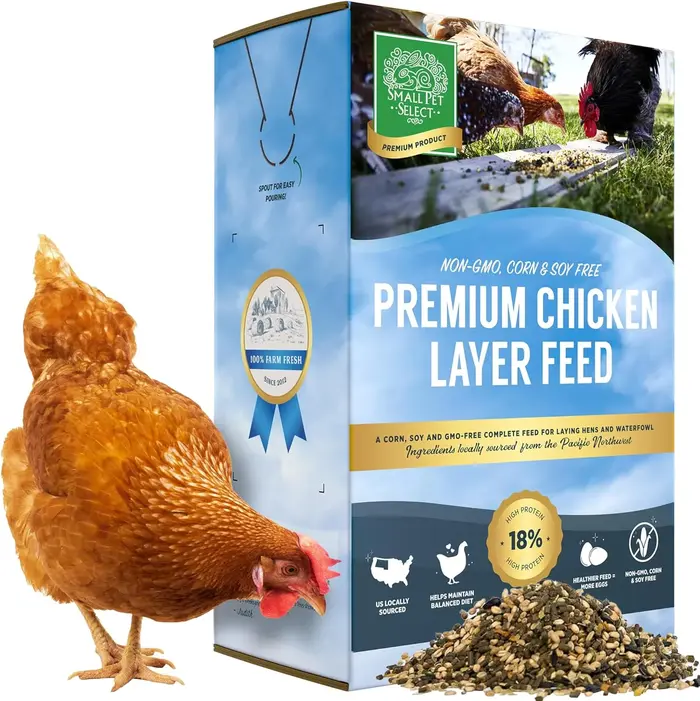
More features: soy-free, corn-free, grains locally sourced in the US, plastic-free packaging
The Small Pet Select Chicken Feed for Laying Hens earns its place as our Premium Pick because it delivers an excellent balance of high-quality nutrition, clean ingredients, and a sustainable plastic-free design. Although it’s not organic, it’s GMO-free, soy-free, and corn-free. In addition, all grains are locally sourced in the US.
With 18% protein, it sits above most standard layer feeds. It provides extra nutritional support for high-producing hens, birds in peak laying cycles, or flocks needing a little extra boost during molting or seasonal stress. Just as importantly, it has a clean ingredient base built around grains, seeds, and functional protein sources. For example, peas, wheat, oats, millet, triticale, sunflower seeds, flax seeds, pumpkin seeds, and fish meal. Calcium content is sufficient, but might be on the low side for older laying hens, at min 2,25% up to max 2,75%. So, it is probably a good idea to also offer your hens oyster shells or limestone grit separately.
What really makes this feed stand out is that it combines pellets with whole grains and seeds. The pellets make sure your hens get a steady, balanced intake of vitamins and minerals. Meanwhile, the grains and seeds keep them busy with natural scratching and pecking—just the way chickens like to eat. Unlike mash feed, where chickens can pick out their favorite bits and leave the rest behind, this mix helps ensure they get a more complete diet in every scoop. It’s practical, nutritious, and adds a bit of enrichment to their daily routine. Available in 10 lb and 20 lb bags, it’s an easy, well-rounded option for small flocks. Just keep it stored securely, because squirrels will happily help themselves too.
Overall, this is a premium step up from standard layer feeds, with higher protein, clean ingredients, and a balanced mix of pellets and grains that supports healthy egg production and natural foraging.
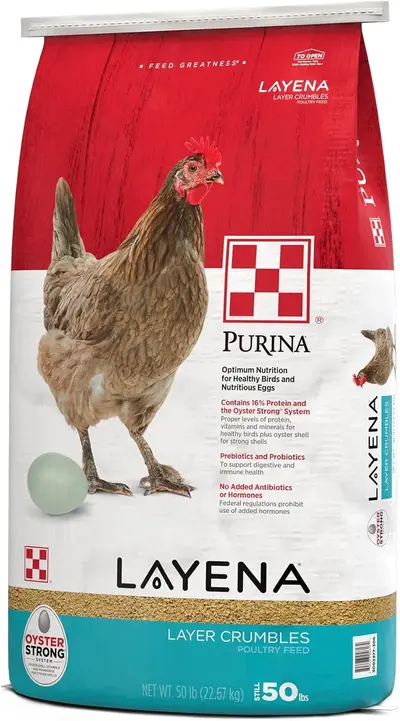
More features: added Marigold extract, prebiotics, probiotics, and yeast
We’ve voted the Purina Chicken Layer Feed the best value-for-money chicken feed on the market. You’re getting a full 50 lb bag at roughly the same price point as many brands that only offer 20–25 lb bags. For backyard chicken keepers, that means significantly lower cost per pound without sacrificing balanced nutrition or performance.
Purina Chicken Layer Feed delivers solid, reliable nutrient levels with 16% crude protein and a minimum 3.25% calcium (max 4,25%), supporting consistent egg production and strong eggshells without cutting corners on essentials. You don’t need to supply additional calcium in the form of oyster shells or limestone grit. This chicken feed also includes key nutrients like amino acids, vitamins A, D3, and E, plus probiotics to support gut health and feed efficiency. Purina has done over 120 years of research in animal nutrition, so they know what they’re doing.
This feed comes in a crumble form, which is easy to eat. Using a crumble or pellet feed helps reduce waste and ensures an even intake of nutrients across the flock. If you feed a mash or whole grain feed, chickens can eat selectively, which might be a problem. For example, one of your hens might only peck the wheat particles out of the feed, while the other is left with the fines (mostly vitamins and minerals). With this crumble feed, you make sure all your hens get the same nutrients.
This feed can be fed as the sole ration after your chickens are 18 weeks old, or when they begin producing eggs. However, like other layer feeds, it isn’t suitable for chicks, young hens that do not lay yet (pullets), or meat chickens.
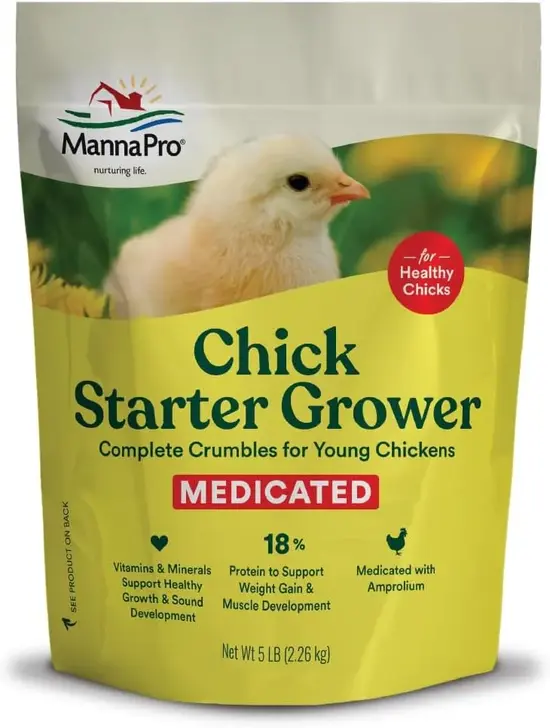
More features: contains Amprolium for preventing Coccidiosis
Manna Pro Chick Starter feed is a solid, reliable choice for raising healthy chicks, especially for beginners or backyard keepers who want extra protection early on. It’s medicated with Amprolium to protect against Coccidiosis, a common cause of death in chickens. This makes it a practical “safety net,” particularly if your chicks are raised on the ground or exposed to outdoor conditions.
This chick starter feed contains corn, soybean meal, and wheat middlings, as well as many other ingredients like vitamins and minerals. With 18% crude protein and sufficient of the amino acid methionine, it provides the building blocks needed for steady growth, feather development, and muscle formation in the critical first weeks.
The crumble texture is ideal for young chicks, making it easy to eat and helping reduce feed waste. Since baby chicks have a small beak, and chickens don’t have teeth, pellets are too large to eat for chicks. This crumble feed is ideal. You can feed it from hatch to about 20 weeks of age, but make sure to switch to a layer feed before the onset of lay. By the time your hens start laying, they need a much higher calcium level.
Feed the Manna Pro Chick Starter Feed to make sure you get your young chicks off to the best start before they leave the chicken coop, or are big enough to eat coarse grains and layer pellets.
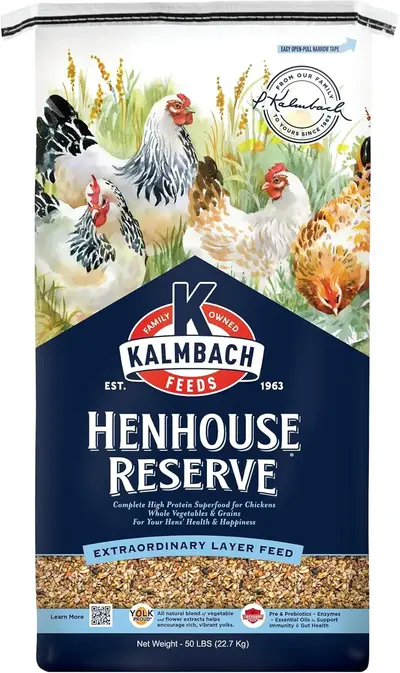
More features: includes whole grains, seeds, and vegetables, enriched with probiotics, prebiotics, and enzymes, contains omega sources like flaxseed, supports yolk color and gut health
What makes Kalmbach Chicken Feed for Laying Hens unique is its whole grain composition—corn, oats, wheat, barley, peas, lentils, sunflower seeds, and even extras like flaxseed and dried mealworms. This not only boosts nutrient diversity but also encourages natural foraging behavior, keeping chickens more active and engaged.
With a crude protein level of 16–17%, it provides solid nutritional support for laying hens, promoting consistent egg production and overall vitality. Calcium levels around 3.5%–4.5% are well-suited for laying hens, supporting strong eggshell formation, while added vitamin D3 improves calcium absorption. The inclusion of probiotics, prebiotics, and enzymes further supports digestion and nutrient uptake—features typically found in more premium feeds.
However, whole grain feeds come with a trade-off: chickens may selectively eat their favorite ingredients, potentially leading to imbalanced intake if not managed properly. This makes feeder choice and feeding management more important than with pellets or crumbles.
Overall, this is a premium-feeling, nutrient-rich option that combines performance with natural feeding behavior—ideal for chicken keepers who want a more “natural” feeding approach.
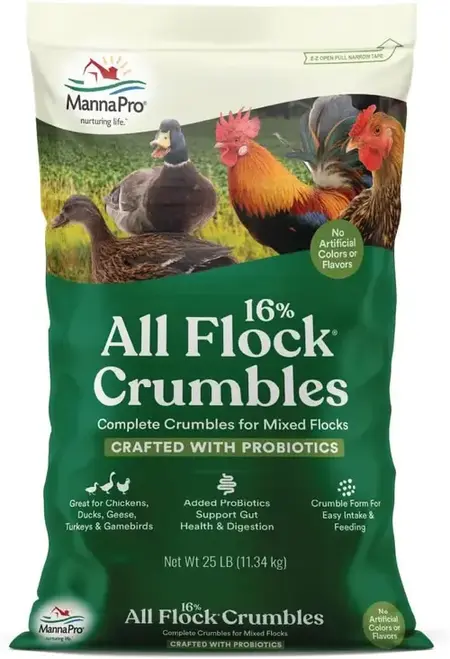
More features: added probiotics for health, no artificial colors or flavors
Manna Pro All Flock Poultry Feed is the right choice if you have a very diverse flock of different poultry species of all ages. If your flock is too small to purchase dedicated feeds per poultry species, this feed is the right pick for you. However, keep in mind this feed is not suitable for chicks and less suitable for laying hens, because the nutrient profile doesn’t fit their needs. For example, the calcium level is too low to fully support eggshell formation, unless you provide oyster shell grit separately.
With a crude protein level of 16%, Manna Pro All Flock Poultry Feed delivers balanced nutrition suitable for maintenance, steady growth, and overall health. Calcium levels between 1.5% and 2.0% strike a middle ground, making it safe for non-laying birds while still supporting adult poultry. However, laying hens will require an additional calcium source (like oyster shell) to maintain strong eggshell quality. The ingredient profile includes a blend of grains and plant-based proteins such as wheat middlings, corn by-products, and soybean meal, supported by a comprehensive vitamin and mineral premix. Key nutrients like lysine and methionine help support muscle development, feather quality, and overall condition. A major advantage is the inclusion of probiotics (such as Lactobacillus and Bacillus strains), which promote gut health and improve nutrient absorption—especially valuable in mixed flocks with varying dietary needs.
Overall, this feed excels in flexibility rather than specialization. It may not optimize peak egg production like dedicated layer feeds, but it simplifies feeding management and keeps a diverse flock healthy and well-balanced.
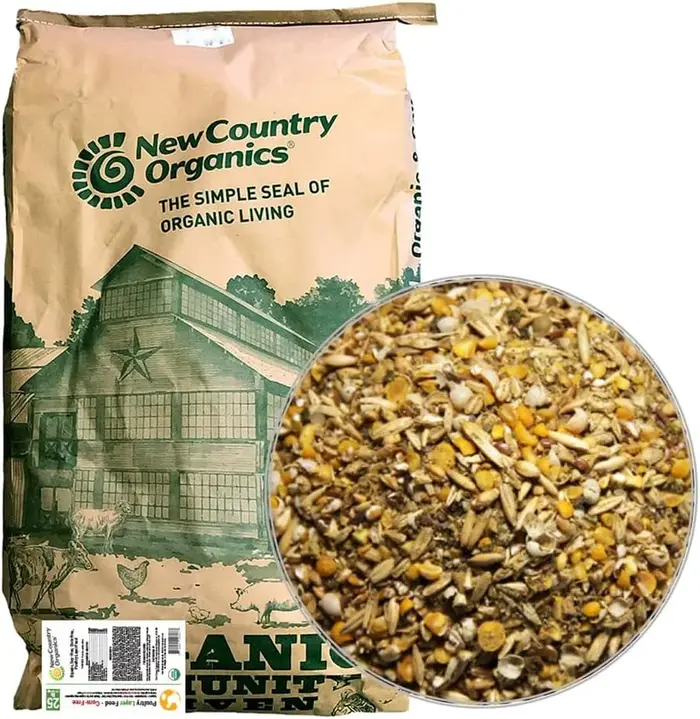
More features: soy-free, organic grains (peas, corn, wheat, oats), fish meal, flaxseed for omega-3 eggs, kelp for trace minerals, yeast cultures, and probiotics for gut health
New Country Organics Chicken Layer Feed is one of the most complete organic layer formulations available for backyard flocks. With a crude protein level of around 17%, it provides a strong foundation for consistent egg production while supporting overall condition and feather quality. What really sets this feed apart is its certified organic, soy-free ingredient base, built around field peas, corn, wheat, and oats, combined with nutrient-dense additions like flaxseed, alfalfa meal, fish meal, and kelp. This creates a more diverse nutrient profile than standard conventional layer feeds. Calcium levels between 3.5% and 4.5% are well-calibrated for laying hens, ensuring strong eggshell formation and reducing the risk of soft-shelled eggs. The inclusion of vitamin D3, yeast cultures, and multiple probiotic strains further supports calcium absorption, digestion, and immune resilience.
This is a feed clearly aimed at keepers who prioritize ingredient quality and organic sourcing. It does come at a higher price point, but in return you get a well-rounded, clean formulation that aligns with a more natural feeding philosophy.
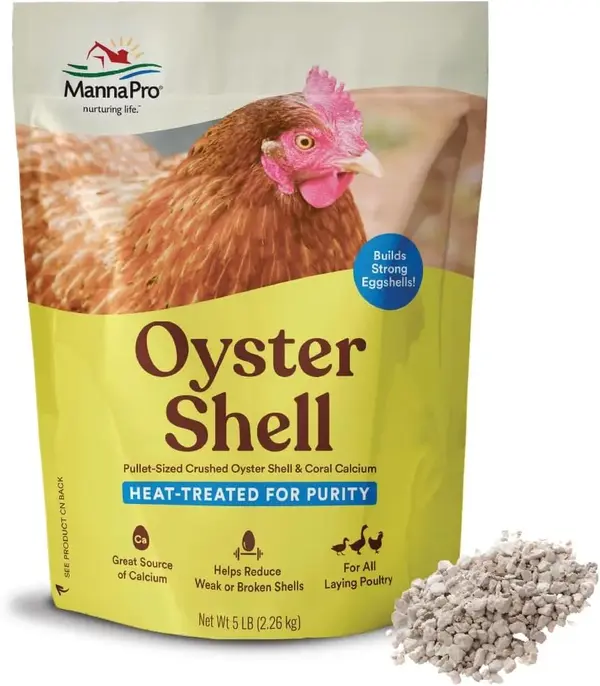
More features: fed in addition to a regular layer feed to provide extra calcium for strong egg shells
A good layer feed gets you far—but for strong, consistent eggshells, a separate calcium source like this is essential. The Manna Pro Oyster Shell grit delivers a highly concentrated calcium source of 33%-38%, giving laying hens exactly what they need to produce strong egg shells that don’t break easily. It takes 20 hours for a hen to make an eggshell—formed of 95% calcium carbonate—, so with this chicken feed you’ll make sure your hen gets what it needs to deliver.
What makes it especially practical for backyard chicken keepers is its flexibility. You offer it free-choice in a separate feeder, allowing hens to regulate their own intake. This is particularly useful for flocks with varying laying intensity, where calcium needs differ between birds. Especially in older laying hens, egg shells get weaker over time, and providing this extra calcium source helps. The crushed oyster shells are heat-treated for purity, and the coarse texture ensures it stays in the digestive system longer, improving calcium absorption over time.
It’s not a complete feed but a supplement, and one of the simplest ways to prevent soft egg shells, especially in high-producing hens or older layers.
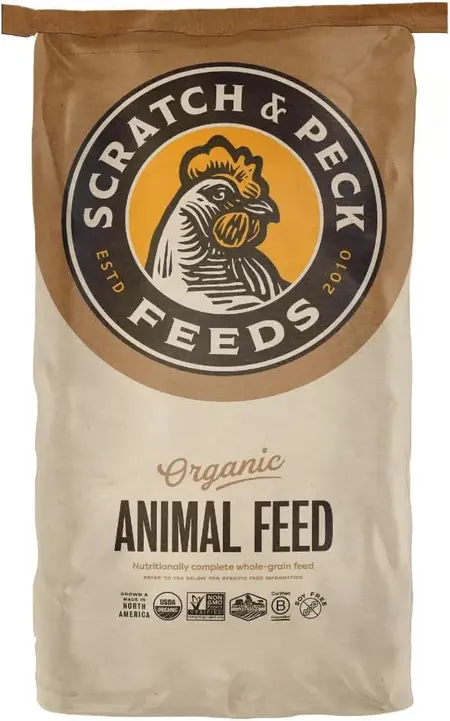
More features: soy-free, corn-free, organic grains (wheat, barley, peas), flaxseed for omega-3 enrichment, fish meal for amino acids, kelp for trace minerals, probiotics, and fermentation-based nutrients
Scratch and Peck Organic Layer Chicken Feed is one of the strongest premium organic layer options available, and it closely competes with New Country Organics Chicken Layer Feed. Both are certified organic and soy-free, but this formula goes a step further by being also corn-free. However, there is a clear value difference that explains our preference for New Country Organics Chicken Layer Feed. Both feeds sit in a similar price range, but Scratch and Peck Organic Layer Chicken Feed has 16% crude protein, while New Country Organics delivers 17% crude protein. That extra percentage matters in everyday flock performance—supporting slightly better feather quality, recovery during molt, and overall consistency in egg production without increasing feed cost. The Scratch and Peck Organic Layer Chicken Feed does offer an 18% protein version, but that upgrade comes at a significantly higher price. In that case, it becomes less competitive, especially since New Country Organics already provides a strong balance of organic quality and higher protein at a more accessible price level.
Nutritionally, both feeds are very similar in their organic philosophy—soy-free, grain-based, and enriched with functional ingredients like flaxseed, kelp, and added minerals. However, the key difference is cost efficiency per gram of protein, where New Country Organics clearly performs better for most backyard keepers.
So while this feed remains an excellent clean organic option and our runner-up, we prefer New Country Organics as the better all-around choice for value, consistency, and protein-to-price ratio.
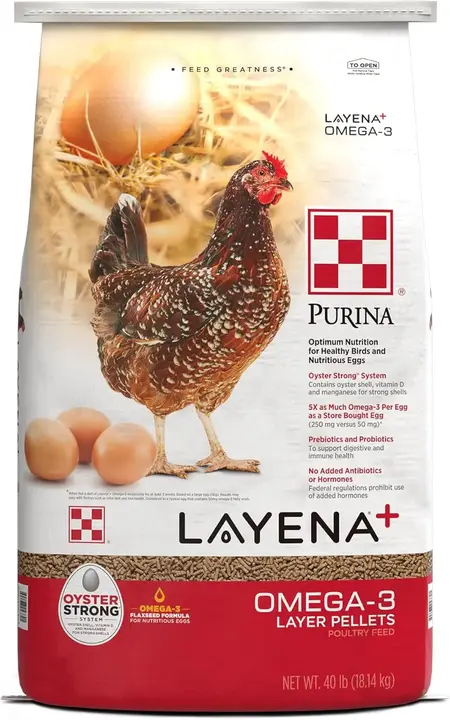
More features: enriched with omega-3 fatty acids, live probiotics and prebiotics for gut health, antioxidants, and botanical extracts for yolk color and overall vitality
Purina Omega-3 Layer Hen Feed is designed specifically to improve the nutritional profile of the eggs your hens produce. It is enriched to increase the omega-3 content in eggs when fed consistently. These omega-3-enriched eggs are especially beneficial for your health, since higher omega-3 intake is linked to better heart health, brain function, and overall well-being.
With a crude protein level of 16% and balanced calcium around 3.5–4.5%, it maintains steady egg production and strong eggshells. The feed also includes a full gut-health support system with probiotics and prebiotics, helping hens absorb nutrients more efficiently and stay healthy throughout the laying cycle.
While it’s not organic or non-GMO and has a standard corn/soy base, it excels in its niche: producing nutritionally enhanced eggs with added health value for both flock and chicken keeper. In addition, its price per lbs is much more reasonable than you would expect.
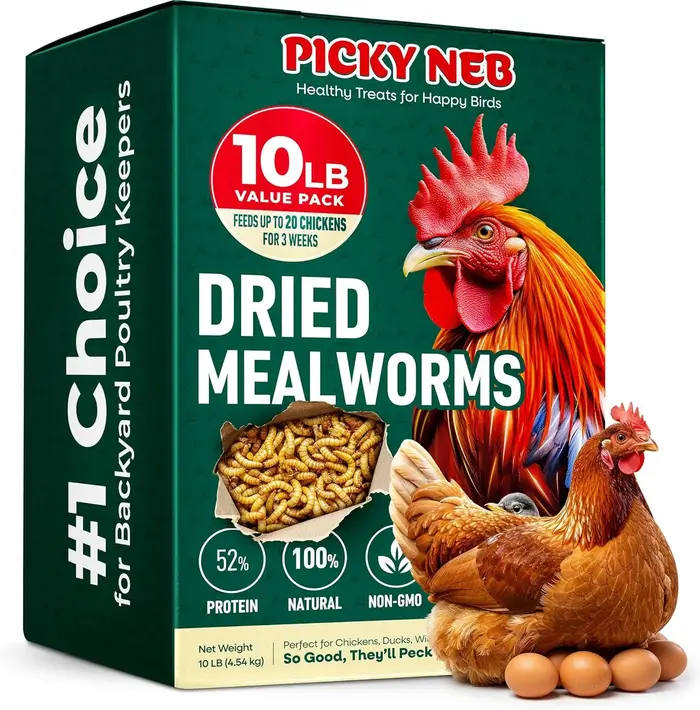
More features: resealable bags, suitable for ducks, wild birds, fish, and small pets
If you’re looking for the best chicken treat to spoil your chickens and boost your flock’s protein intake, this is a must-have. The ingredient list is refreshingly simple: 100% dried mealworms. That means it’s 100% safe, dust-free, and contains no additives, preservatives, or GMO ingredients. Picky Neb’s the perfect treat for all stages of chickens, and even for ducks, wild birds, fish, and small pets. These dried mealworms aren’t just nutritious—they’re a versatile treat for spoiling your chickens, encouraging natural foraging and scratching, or even training them.
You can rest assured that you’re feeding your chickens a fresh and nutritious product. Packed with energy, 50% protein, and completely natural components, you’re looking after your chickens. This concentrated protein and essential amino acid source supports muscle development, feather regrowth, overall vitality, and helps to maintain body condition and egg production. Especially during molting season or disease, mealworms can support feather growth and overall health. That said, it can never replace complete feed or oyster shell grit, since it doesn’t include sufficient other nutrients, like calcium.
Your backyard chickens will absolutely love these treats—making them ideal for taming, training, or simply encouraging natural scratching behavior.
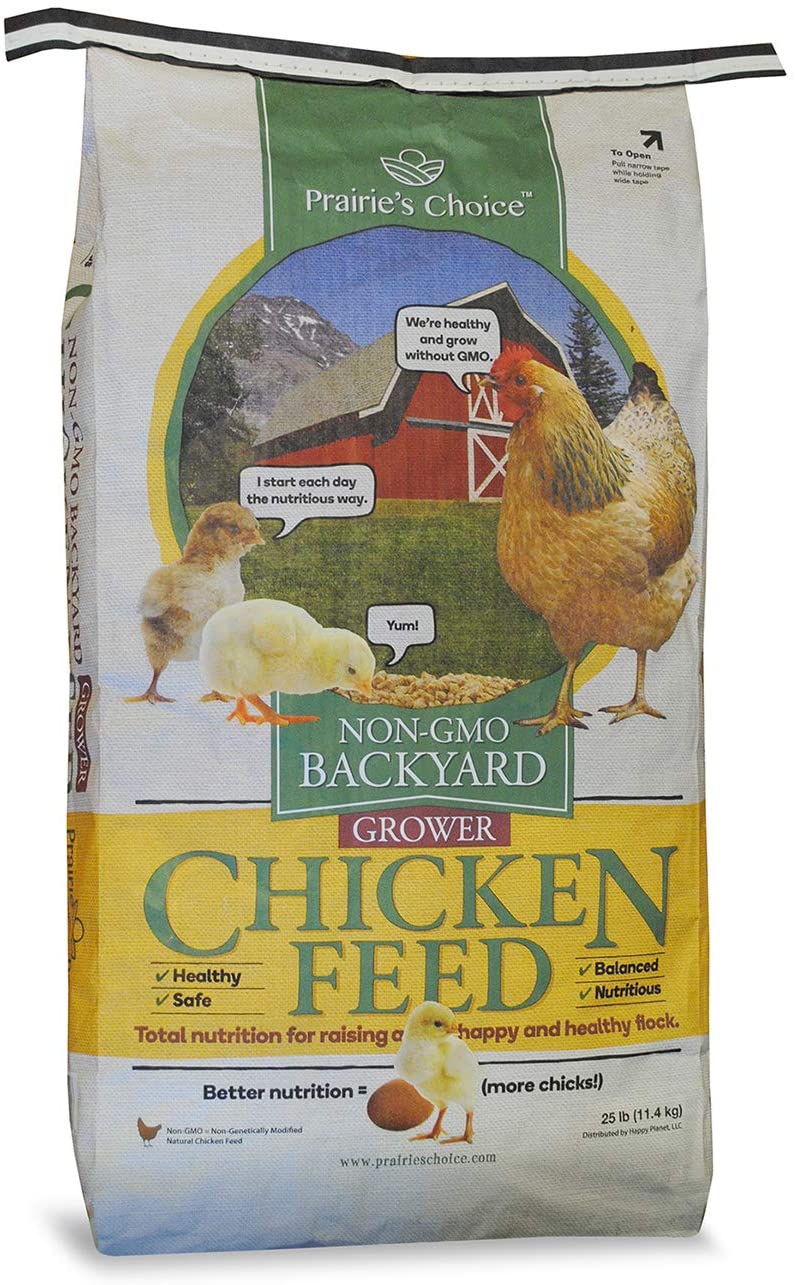
More features: made with non-GMO corn, grown and packaged in the USA
Prairie’s Choice Starter / Grower Chicken Feed is the best rearing feed in this list. It’s non-GMO and grown and packaged in the USA. With a crude protein level of 18%, it provides the right balance to support steady muscle development, feathering, and overall vitality in growing chickens up to 18 weeks old. Although we prefer Manna Pro Chick Starter Feed for the first weeks of life.
The ingredient profile focuses on non-GMO corn and soybean meal, delivering consistent energy and protein, while added amino acids like methionine help optimize growth and feather quality. A well-rounded vitamin and mineral premix—including vitamins A, D3, and E, plus trace minerals like zinc and manganese—supports immune health and bone development. Calcium levels between 0.8% and 1.2% are ideal for rearing birds, promoting strong skeletal growth without the risks associated with higher calcium feeds meant for laying hens. This makes it a safe and practical choice during the starter and grower stages.
While it doesn’t offer the diversity of premium or soy-free blends, it excels at what it’s designed for: raising healthy, well-developed chickens with consistent results.
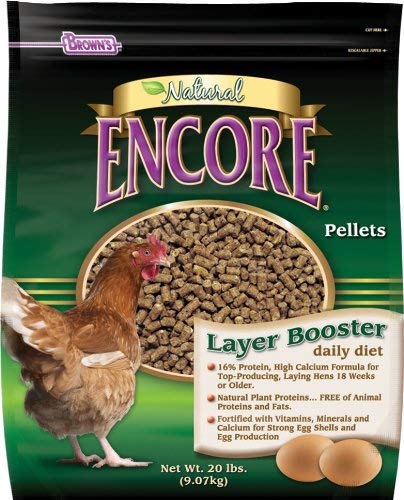
More features: plant-based formula, includes probiotics for gut health
Although the name sounds fancy, this is our Budget Pick. This feed focuses on affordability while still covering the basic nutritional needs of laying hens. With a crude protein level of 16%, it delivers enough support for maintaining egg production, though it doesn’t quite match the nutrient and ingredient profile of premium feeds. All the basics are there, like sufficient calcium, vitamins, minerals and even probiotics. The ingredient base is fairly traditional, relying on corn, soybean meal, and alfalfa meal, along with a standard vitamin and mineral premix. It also includes key amino acids like lysine and methionine to support egg production and overall condition.
If you’re looking for a cost-effective way to keep your hens laying consistently, Brown’s Natural Egg Layer Booster gets the job done.
When buying chicken feed, make certain you’ve considered various features before taking your pick of the best one your chickens need for their age and stage of life. You’ll be feeding your chickens every day, so they must enjoy the feed plus reap the health benefits so you get your desired results. Continue reading to get as many tips as possible. After this you can then make an informed decision when picking the best chicken feed.
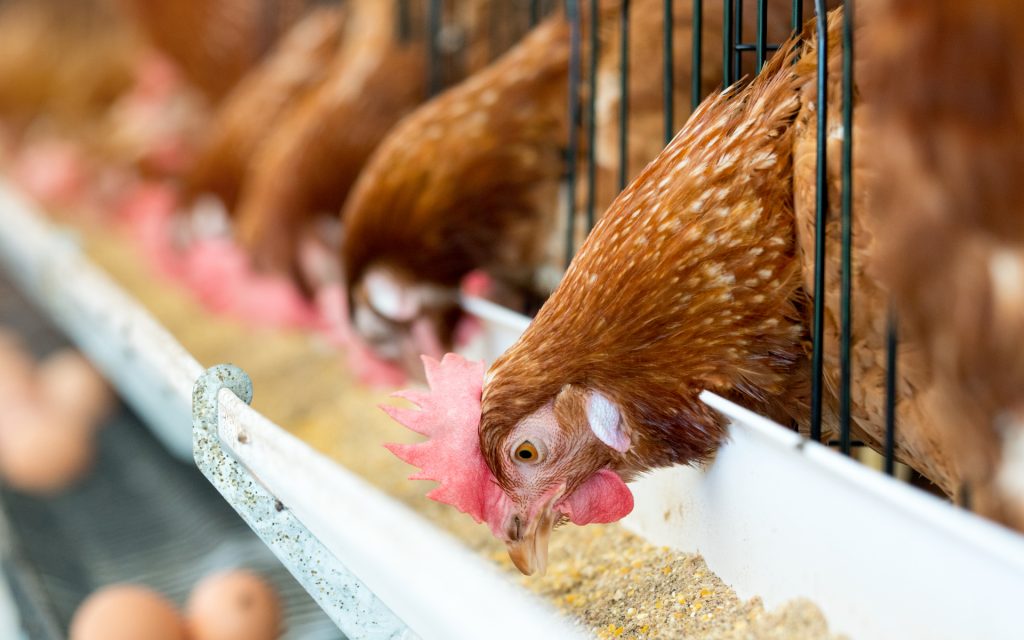
As a rule of thumb, you can feed your chickens at regular times twice a day—once each morning and once each evening. If you’re in close proximity to your chickens you can feed them more times throughout the day. Chickens like to eat small portions often.
There always should be fresh water available, so you may consider purchasing a chicken waterer to make this task easier. If the weather is cold, a heated chicken waterer would be great, so you won’t have to worry about the water getting frozen.
Some people throw their chicken feed directly onto the ground for the chickens to naturally peck from. Others prefer to place it in a chicken trough so it stays clean and dry. Just remember not to leave the feed out overnight in case mice find it.
Chicks start off eating less—small meals of up to six to eight times a day. They’ll eat as much as they need and their appetites will soon increase.
For the average hen to lay 12 eggs she needs to be fed about four pounds of good quality protein chicken feed. After a hen starts producing, you can work on an estimated figure of feeding each of your medium weight egg layers roughly ¼ pound of feed daily. This works out to about ½ a cup per day and totals approximately 1 ½ pounds of layer pellets per hen weekly.
The best food you can give your chickens is chicken feed. Apple cores, broccoli, pumpkin and worms are all healthy & special treats. Be sure not to let these treats take up more than 10% of their daily feed intake. Don’t forget to keep a daily supply of clean, fresh water so your hens stay hydrated.
If you’re still not sure about which chicken feed to buy, take a close look at these vital features to consider before you make your final decision. We’ve taken into account all of these in our chicken feed reviews to help you out.
This tells us what the feed is designed for and which birds it suits best. Some feeds are specifically formulated for laying hens, while others are more versatile and suitable for ducks or mixed flocks.
A feed can be specialized or multi-purpose. What is best depends on your backyard setup. Nutritionally, we prefer specialized feeds for a specific poultry species and growth stage to fulfill their exact nutrient requirements. Like chicken layer feed or chick starter feed. However, if you have a small and mixed flock of ducks, chickens, and turkeys of different ages, it is not practical to have many different feed bags in your shed. Also, they will spoil over time and might even start to go moldy. In this case, it is better to feed a multi-purpose feed, like the Manna Pro All Flock Poultry Feed.
Also included in this list are supplements you can feed in addition to complete feed. For example, chicken treats like Picky Neb Dried Mealworms, and oyster shell grit like Manna Pro Oyster Shell.
The growth stage determines when a feed should be used. Chickens have very different nutritional needs throughout their life as chicks, growers, and laying hens. We looked closely at whether each feed is appropriate for early development, transition phases, or active egg production, ensuring birds receive the right nutrients at the right time. For example, young chicks need higher protein levels and additives to support health, while laying hens need high calcium levels.
Giving your chickens the wrong feed at the wrong growth stage can be extremely dangerous.
Most feeds in this list are for laying hens of 18 to 20 weeks and older, like the Scratch and Peck Chicken Layer Feed. You normally start giving these feeds just before your hens start to produce eggs. However, this list also includes feeds for growing chickens, like the Manna Pro Chick Starter Feed and Prairie’s Choice Chicken Feed.
The physical form of the feed influences eating behavior, waste levels, and nutritional consistency. Pellets and crumbles offer uniform nutrition, while mash and whole-grain feeds encourage natural foraging but require careful management to avoid selective feeding. Our premium pick, the Small Pet Select Chicken Feed for Laying Hens offers the best of both worlds: a mix of pellets and whole grains.
We assessed whether feeds are certified organic, non-GMO, or conventional. Organic and non-GMO feeds are often preferred for cleaner ingredient sourcing and stricter production standards, while conventional feeds may offer better affordability and availability. This helps readers choose based on their priorities and farming philosophy.
Organic and non-GMO are considered premium and thereofre often come with a higher price. However, for your chickens it doesn’t matter. The only thing they care about are nutrients, freshness, and feed form. So keep that in mind if you have a budget to consider.
Most feeds are completely medication-free. In layer feeds, this is usual and even necessary to prevent contamination of the eggs we eat for breakfast. However, in starter and grower feeds, some form of medication is no problem and can help prevent your chickens from getting sick. For example, Manna Pro Chick Starter Feed is medicated with Amprolium and helps protect against Coccidiosis, which commonly kills young chicks. This product’s the one to buy for your baby chicks.
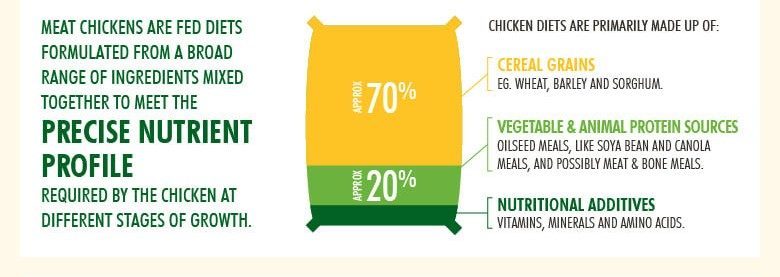
When it comes to chicken feed, “nutrients” is a broad term that covers everything your flock needs to stay healthy, active, and productive. This includes protein, amino acids, fats, energy sources, vitamins, minerals like calcium—all working together to support immunity, digestion, feather growth, and egg production.
Because of their major role in flock performance, we will discuss protein and calcium separately in the sections below to give you a clearer understanding of how each feed performs in these key areas.
Ingredient quality matters just as much as nutrient labels. The source of grains, the balance of amino acids, and the overall digestibility of the feed all influence how efficiently chickens can convert feed into eggs, feathers, and healthy body tissue.
Crude protein percentage is one of the most important nutritional indicators. It supports growth, feather development, egg production, and overall vitality. Just as important are the amino acids within that protein, for example lysine and methionine, which are essential for muscle development and consistent egg laying. We compared protein levels across all feeds, ensured each product is suitable for its intended life stage, and considered this in our ranking. For example, if two similar feeds are offered at a similar price per lbs, but one contains a higher protein level, this is the one we prefer.
Calcium is essential for strong eggshell formation in laying hens. Too little leads to weak shells, while too much can harm non-laying birds. We evaluated calcium levels to ensure they match the correct life stage, especially for layer feeds where consistent egg quality is critical. Keep in mind layer feeds should include more than 3% of calcium, while rearing, starter and grower feeds should include about 1% of calcium (a little more or less is ok).
All-round feeds like the Manna Pro All Flock Poultry Feed often include about 2% of calcium, which is not ideal. It is too much for growing birds, but too little for laying birds. Therefore, we always recommended a dedicated chick starter feed for young birds, like the Manna Pro Chick Starter Feed. After that, you can give an all-round feed to a mixed flock, but also provide an extra calcium source like Manna Pro Oyster Shell separately for strong egg shells.
Package size affects value, storage, and feeding convenience. Larger bags are often more economical for bigger flocks, while smaller bags suit hobby keepers or those testing a new feed. We included weight to help readers compare cost-efficiency and practicality.
Keep in mind that the number of chickens you have directly affects how long a bag of feed will last. A laying hen typically eats around 4.3 ounces (122 grams) per day, meaning a 25 lbs bag (400 oz) will last roughly one month for 3 chickens. In this case, a 50 lbs bag may not be ideal, since it would take about two months to finish. Once opened, feed is exposed to air and moisture, which can reduce freshness and, over time, cause it to spoil or even start to go moldy if not stored properly. However, if you keep 6 or more chickens, a 50 lbs bag becomes much more practical and cost-effective, as it will be used up faster and stays fresher overall.
When calculating feed price don’t just look at the price per bag, but calculate the price per lbs of feed. Organic feed, small bags ans higher protein feeds are typically more expensive, but this is not always the case. Meanwhile, calcium sources like oyster shells are cheap.
Keep in mind that where you purchase also determines the price.
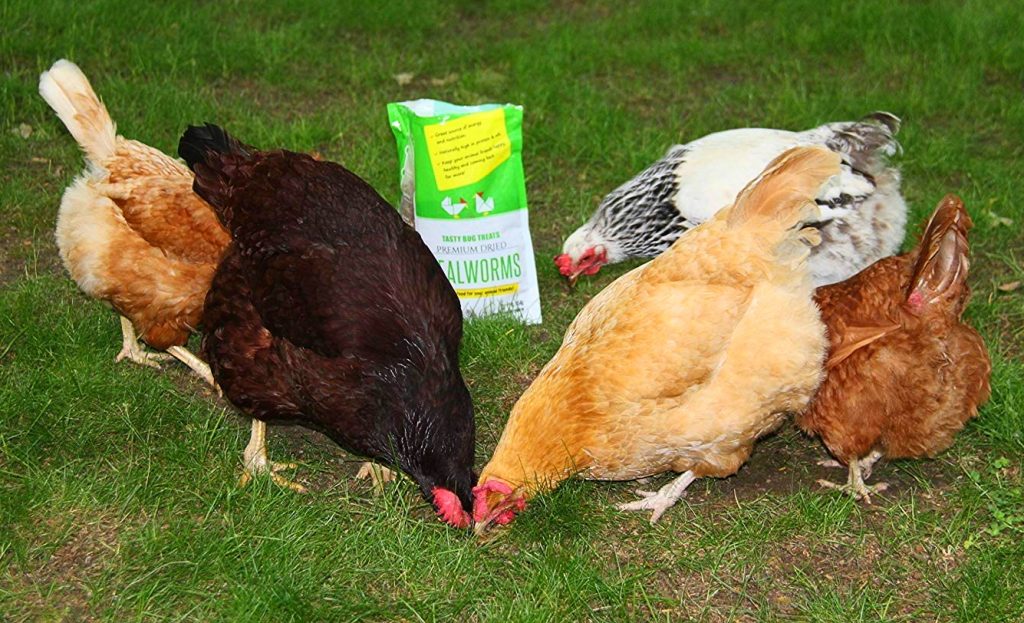
With enough food and water your adult chicken can look after itself for up to three or four days without any cause for worry. Your chicken will usually eat when it’s hungry and drink when it’s thirsty.
If your chicken’s drinking but not eating feed, it’s possible that it’s been consuming hay, long grass or straw. Perhaps they’re also not getting enough grit in their diet. Grit assists the chicken’s digestive system to ensure it breaks down the feed correctly. Firstly, check the ingredients in your chicken feed to rule out any concerns you may have.
Move your chicken to a dry and warm area & try some healthy treats such as apple cores, broccoli, pumpkin & worms. It’s possible that this might be more attractive to your chicken than its regular feed.
If you suspect your chicken’s sick, and it’s not eating by itself, try assisting it. Use a dropper, spoon or syringe. If this doesn’t work, you can even try a liquid diet administered through a tube. If a sick layer chicken isn’t up to eating much, you can crush their feed and combine it with warm milk or water forming a soup like ‘mash’ that might be more appetizing to your ill hen.
Look out for telltale signs such as coughing, heavy breathing, a runny nose, wheezing, patchy feathers and a pale or limp comb. If your chicken’s neither drinking nor eating and you’re worried, it’s best to go to the vet for a professional opinion & treatment recommendations.
We trust our best chicken feed reviews have helped you decide which one to purchase. By picking our Editor’s Choice, the Scratch and Peck Organic Chicken Layer Feed in mash form, your chickens and you will benefit from organic, non-GMO, high-protein, and calcium feed that contains grains from family farms in the US. It’s great quality for a reasonable price.
If you simply want the best feed and price is less of a concern, opt for the Small Pet Select Chicken Feed for Laying Hens, a premium feed mix of whole grains and pellets. However, if you don’t want to break the bank, and get the best value for your money, the Purina Chicken Layer Feed crumble is the right pick for you.
We hope that with our selection of the best chicken feed you’ll find the perfect pick for your chicken. Which one’s the best according to you?